Category: Wildflowers

Total 6 Posts

Love, Magic, and the Unseen: The Allure of YA Paranormal Fantasy

In the last few years, I have been invited to participate at book fairs and festivals. I find them fun, and it’s great to meet with other authors and talk to readers. One of those events is the Passaic County Book Festival. I didn’t get to it this year due to traveling, but here’s a bit of what I spoke about the last time as part of a panel of authors on YA paranormal fantasy books.
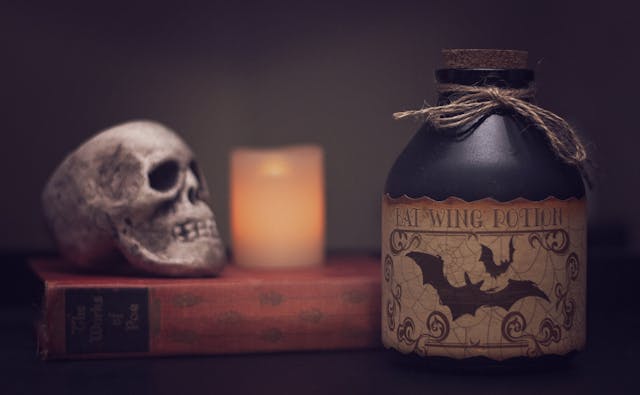


 What got you interested in the paranormal; what has maintained this interest?

I’ve been interested for a long time, gone on ghost tours, have friends who are psychics, and had paranormal experiences.

I read a lot, belong to the Metaphysical Society of New Jersey, and talk to others who have experiences of the paranormal.

Which paranormal tropes do you avoid; which do you embrace?

I avoid wicked witches, zombies, demons, vampires, elementals, zombies, and Bigfoot. 

I embrace psychics, angels, ghosts, witches, and werewolves.       

Paranormal fantasy leans on atmosphere and world building, while YA fiction often emphasizes self-discovery and relationships. How do you bring these together in your writing?

My two published YA books are about a teenage ghost buster, and my current story is about a teen witch. They are living in the ordinary world but dealing with things beyond the ordinary and trying to understand and accept themselves as most teens do. They face problems like fitting in, bullying, parental pressures, and choices about what to do the rest of their lives.

What has been one of your biggest writing challenges and how did you conquer it?

Time management and procrastination. I conquer it through being in critique groups which meet twice a month, and I want their feedback so I need to have written something.

  Rejection is par for the course, and it’s not easy. But I try not to take it personally, to learn from it, and to remember what one person might not like, someone else might. 

  Do paranormal or supernatural elements give you more freedom to explore real-life issues in your work than you might have in another genre?

Yes, some of the real-life issues that I explore in my paranormal or supernatural elements are the existence beyond death, soul mates, non-traditional healing, dejavu, and fate.

Tell us about the cover art process.

I’ve bought stock photos that I can use for my covers, and I hired an agency to help me with the formatting and publication. 

What would your YA-self have to say about your books?

I was a shy teenager, so I would probably cheer on my female protagonists for their heroism and for speaking up for themselves. Also, I’d be glad that I included a diverse group of teens since I had a diverse group of friends when I was a teen.

How do you differentiate writing for different age groups?

When writing for teens, I have to consider their interests, their manner of speaking, and situations common to teens, such as high school, dating, peer pressure, and parents. When writing for adults, it’s totally different. There’s more concern about jobs and commitments to a relationship, like marriage. Teens do meet and fall in love in my stories, but there’s not that sense of marriage and family. 

Why do you think fantasy and romance are so often paired together in books?

I think it has to do with the genre going back to classic stories like Cinderella, Beauty and the Beast, Dracula, mythology, folklore, and legends where romance comes into play. The romantic interest is someone who is different from the norm, but that’s part of the attraction. It makes things exciting!

 How do you generate ideas for your books / where do you find your inspiration?

I read a lot and research. I draw from my own or other people’s experiences. I was a middle school teacher so I became familiar with young teens. As a mother of a son who enjoyed fantasy books and movies, I became acquainted with the stories.

What resources and information do you utilize when you’re working on your books?

I have a home library that includes books on the paranormal, mythology, and I belong to the Metaphysical Society of New Jersey which is currently offering courses on Parapsychology. So, I’m constantly learning.

What advice do you have for aspiring authors?

Read – read a broad spectrum of books, not just what you want to write, become familiar with your subject matter, be persistent.

Join a writing group or take workshops.

Don’t get discouraged. Be patient.

Are your books available at stores/sites other than Amazon?

Yes, I have print and ebooks on Amazon; ebooks on Barnes & Noble;

E-books on Smashwords; ebooks and audio books on Google Play.
 

Women Mentoring Women

Soothing and nutritious!

March is Women’s History Month, a time to remember all the women who helped us, who served their country, and who gave so much of themselves. Reflecting on my life as a writer, a retired educator, and a woman, I can think of countless women who mentored me.


My mom along with my dad helped me with learning to read. I’ll never forget how I struggled a little at the beginning. They made me read the book The Cat in the Hat by Dr. Seuss aloud while recording my reading. I had to listen to my reading, stumbling over words, not pausing for end marks, and feeling frustrated as a five year old. Although I loved hearing others read, I had to learn to do so for myself. By the end of that session, I fell in love with the rhyming and story. Then I went on to read every single book by Dr. Seuss. Later in life, my mom lent me her paperback books. It was those early Harlequin novels and Pocket books that inspired me to become a romance writer.

Mom also influenced my art. When I was a child she took me to a pottery school near our home in the West Village. I still have a few pieces that I made when I was seven years old. Rather than buy Christmas cards, she helped me design them. Many years later we still talk about art, and I continue to enjoy creating it whether drawing, painting, or photography.

Two teachers stand out in my mind as mentors. Mrs. Seguine, my fifth grade teacher at P.S. 23, helped me get over my shyness and make a transition from a parochial school to a public school. She also complimented my creative writing. One time after she gave an essay exam, I handed my essay in last. Although a few students laughed at me for being slow with finishing, Mrs. Seguine told the class that I cared enough to do my best and that one day I would become a writer. I did.

My eighth grade English teacher, Miss Maniscalco, helped me get over my fear of public speaking. Although a good student, I did not like getting up in front of the room to give oral reports. I had read Animal Farm and loved it. In fact, I loved all the assigned readings. Miss Maniscalco made suggestions on how to deliver my presentation. I took those suggestions and did very well. Although I still wasn’t crazy about public speaking, after a while I became more comfortable doing it. Ironically, I would one day become an eighth grade English teacher. All those phobias helped me, I think, to mentor the shy students I taught.

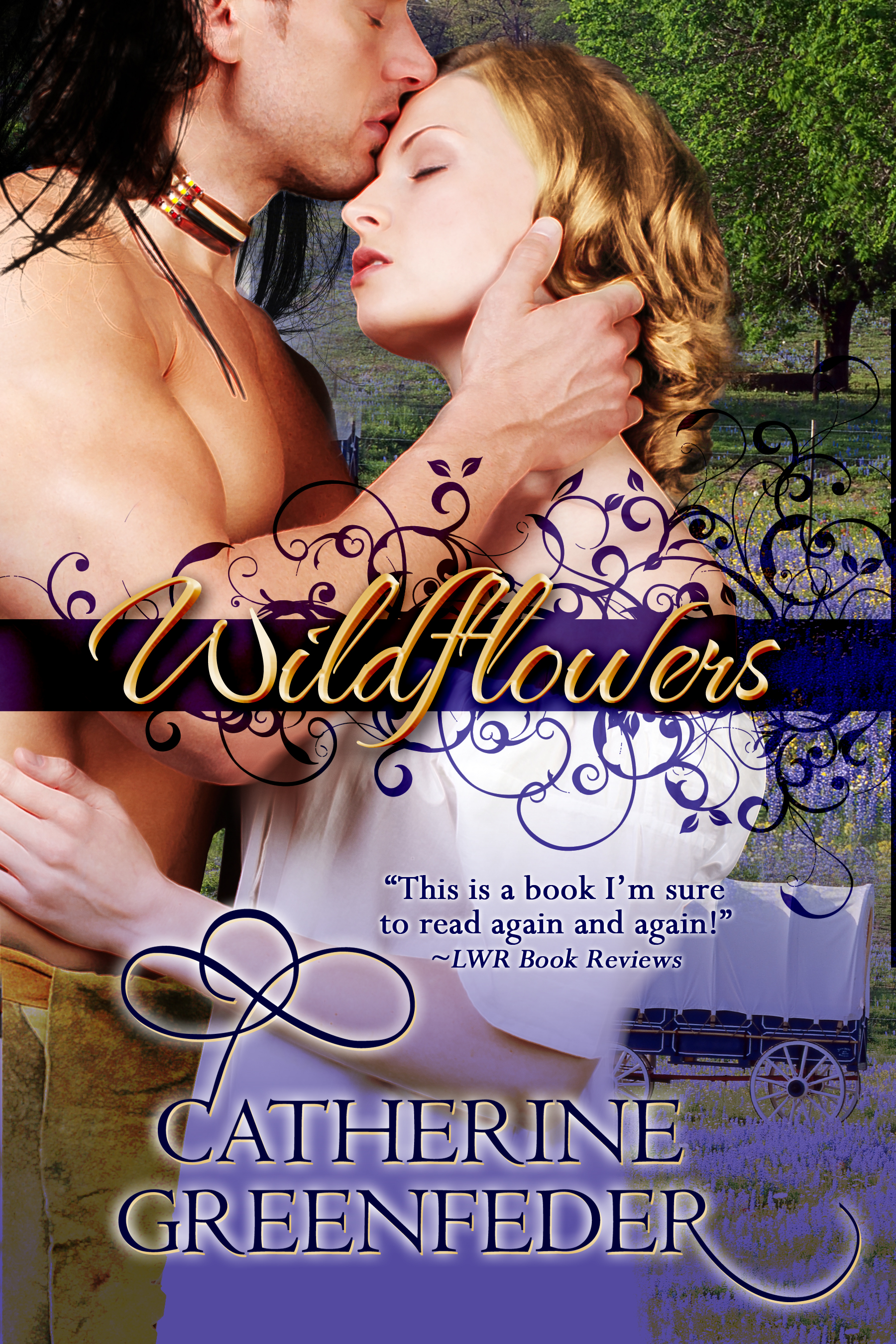
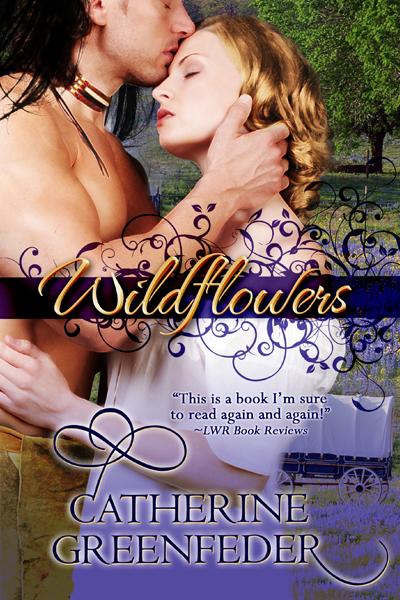
I had a lot of women mentors as a writer. They included Kathryn Hayes, a children’s book author and public librarian. Kathryn enjoyed the pieces of stories that I shared with her and encouraged me to finish my work. Rita Rinaldi, a retired hair stylist and book reviewer, read my earlier versions of my historical romance Wildflowers, giving content critiques and a ton of encouragement. She also helped me with the title. Irene Weissman, a business woman and writer, provided a lot of feedback and got me to see the lighter side of things. All three are gone now, and I miss them. There are other writers who were in critique groups or writing groups with me. Some gave me feedback. Some gave me a pat on the back. Some gave me a much needed kick in the butt to keep going. All wonderful women. I am so grateful to them.

I also appreciate the women authors I knew through their work, some long gone like Emily Dickinson, Jane Austen, Louisa May Alcott, Maya Angelou, and current popular fiction writers like Isabel Allende, Jo Jo Moyes, Julia Quinn, Debbie Macomber, among others.


Writer’s Tools: A Room of One’s Own


“A woman must have money and a room of her own if she is to write fiction.” – Virginia Woolf, A Room of One’s Own


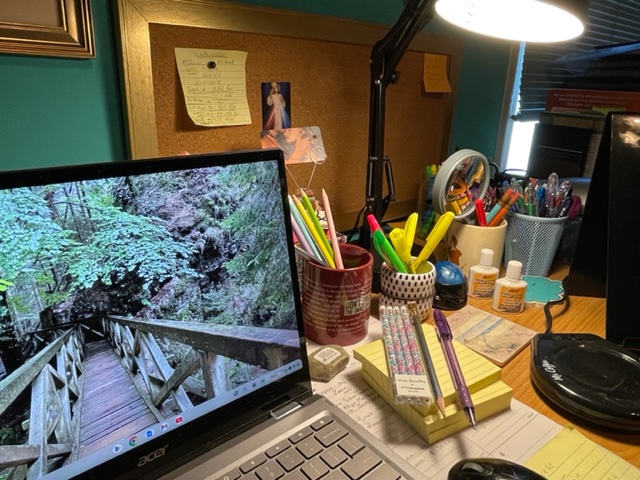
While it’s necessary to have money, as a writer you don’t have to have a room of your own to write, but it helps! I recently converted a spare bedroom into my “writing room”, and it provides the space where I can go when I need to plot my stories, type drafts and revisions of works-in-progress, and meet on a Zoom with other writers. In a way, it’s become my “home office” as well as the guest room.

Since I sometimes like to listen to music while I write, I have an I-pod, a 33 rpm record player, downloads on my laptop and my phone. I’ve created playlists, too, for certain stories that I’m working on. Sometimes the music is background noise. I have a Mr. Coffee mug warmer which helps a lot when I need a cup o’ Joe to keep on keepin’ on. By the way, according to an article by Brooke Nelson in Reader’s Digest, dated November 24, 2022, the phrase cup of Joe might have its basis in linguistics. “Joe” is the simplified form of the word “jamoke,” which began as a nickname for coffee in the 19th century, a portmanteau of the coffee beans “Java,” and “mocha.” Therefore, “cup of jamoke” may have become shortened to a “cup of Joe.”

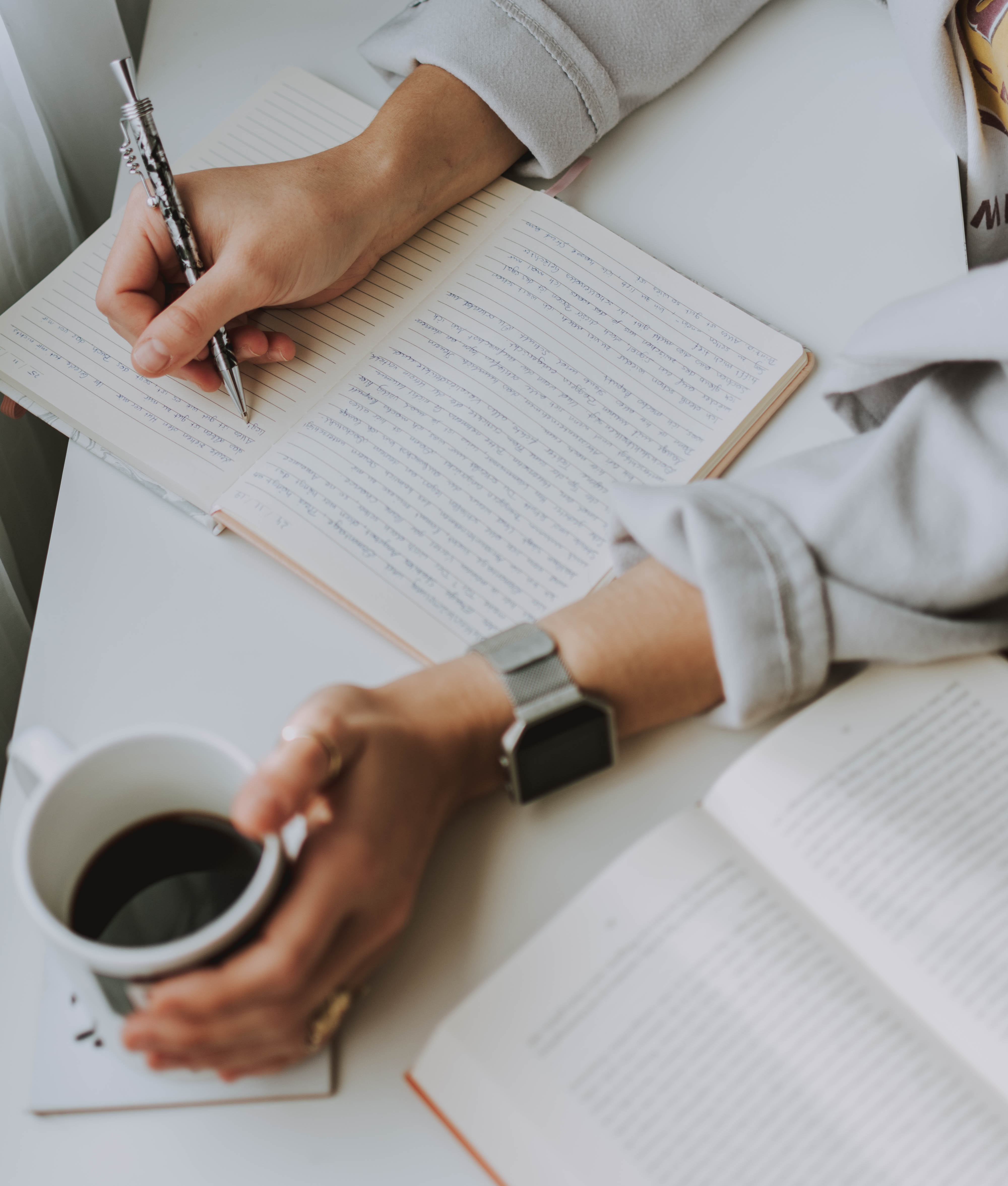
I’m a pencil and pen connoisseur and have included Blackwing pencils, dainty looking Vera Bradley pencils, gel pens of assorted colors, purple Pentel RSVP pens which are my favorites, and Bic Ball 3 in jade and blue. While I do most of my writing, as I am doing now, on my laptop, I enjoy using colorful pens and pencils for note taking, line editing, and filling out forms for writing. As for notebooks, there are so many types that I’ve used from those black and white composition books like the ones which I used in elementary school to ingrained, leather bound notebooks.  I have notebooks with subject dividers for various tasks including journals, writing projects, writing workshops, research, and much more. Having been a teacher for over two decades, I had to be fairly organized and notebooks became a must. As a writer, even with the computer and the apps on my phone, I like to have notebooks.

These are tools which are useful for writing and for being in the room of my own, but the work must be done. Like a lot of other writers, my laptop is my most important tool. I knew a few writers when I started out writing more seriously who refused to type up their drafts and wrote long-hand. My first book, Wildflowers, is one which I wrote long-hand in a yellow 3-ring binder while commuting to my job as a copywriter for J.C. Penney in New York City. I wrote furiously as the bus meandered through the interstate traffic, through the Lincoln Tunnel, and deposited its passengers at the Port Authority Terminal of Manhattan. Those were before the invention of personal computers, even before the cell phones, so I am dating myself. Had it not been, though, for those notebooks and pens or pencils, I wouldn’t have had my earliest material for that book.

As for a room of one’s own as Virginia Woolf suggested in her book, A Room of One’s Own, it’s not necessary.  I wrote on a bus, in a coffee shop, dictated on a tape recorder while driving my car, during my lunchtime breaks at work, even on long walks through parks. Once again, it’s the idea that to be a writer, one must write wherever and whenever one can.

So, where do you write? Do you need a “room of one’s own”? Comments are welcome.