Why the interest in the paranormal? I think it’s partly from my experiences, and it’s my general curiosity about what is considered seemingly difficult to explain and beyond the normal experiences, and the supernatural.
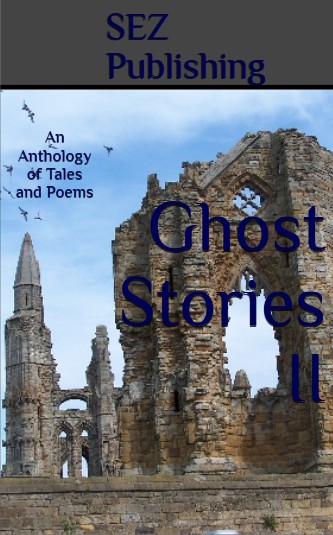
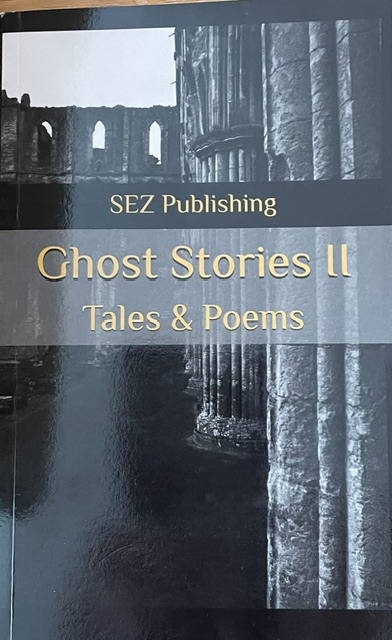
My maternal ancestry is Irish, and as such, I had an interest in the fae folks, the leprechauns, the banshees, and ghosts as stories about them had been told by my relations including my maternal grandfather. I wrote “Colliding with the Past”, a short ghost story set in Ireland, based on one such story handed down by Pappa Ned and my mother. The notion of seeing a loved one who has passed on at a moment of desperation is at the heart of this story, and I used the Irish countryside which I became familiar with during visits to cousins who lived in Ireland. That story ended up published in an anthology called Ghost Stories II : An Anthology of Tales and Poems from Sez Publishing.
In addition, my own experiences with the supernatural include what I perceived to be a haunting at an old house in Maryland where two figures from a by-gone era, possibly the Civil War, a man dressed in what looked like a Confederate uniform and a woman in what looked to be the dress of that time period, argued. They stood outside of the window where I’d been sleeping and as dawn emerged on the horizon. As soon as the sun broke through, they disappeared. Why? At the time I felt too shy to question the homeowner, but later I learned that the house dated to pre-Civil War time and that there had been a couple who rented the room out and got into a nasty fight which included threats with a knife.
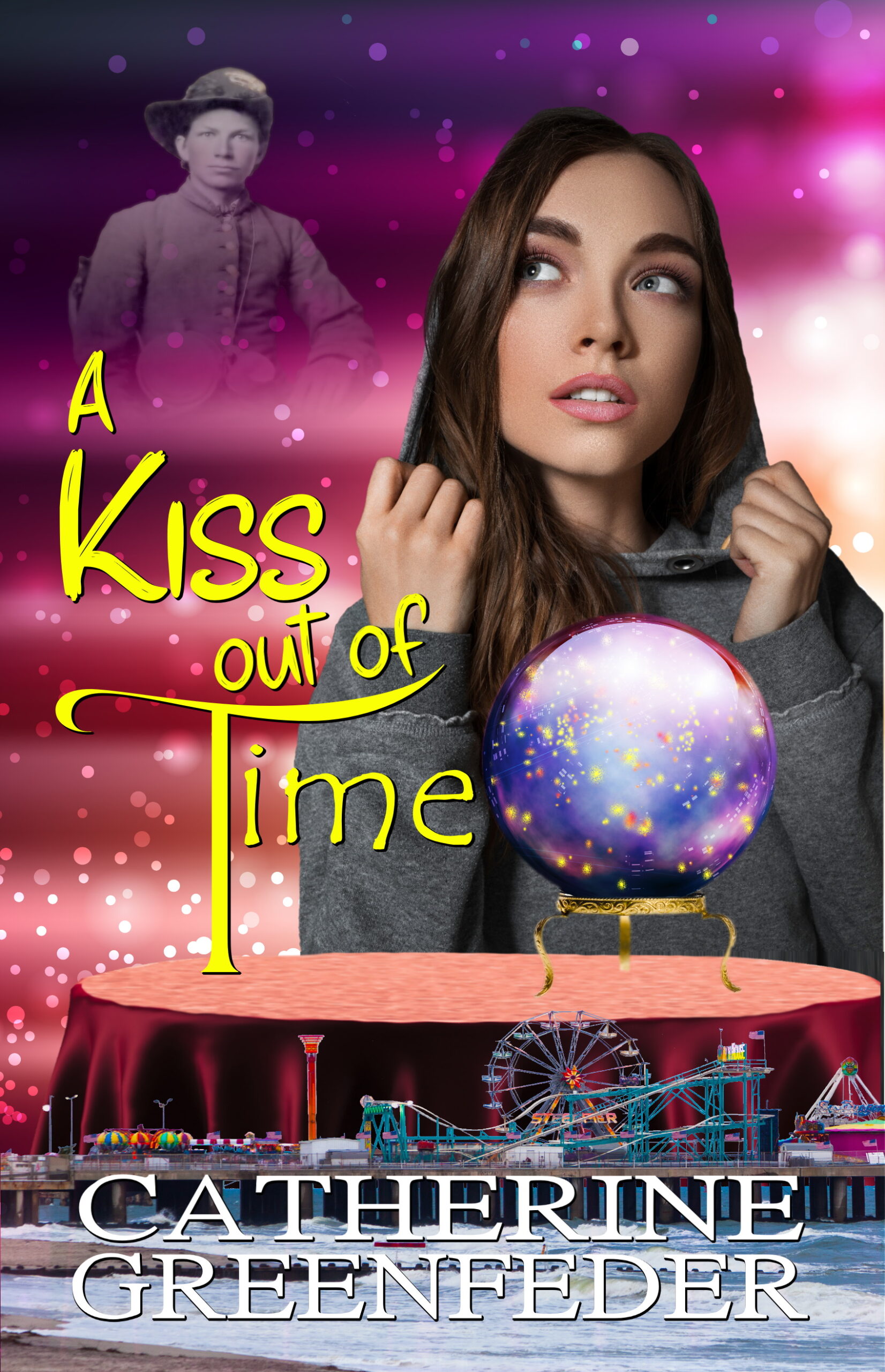
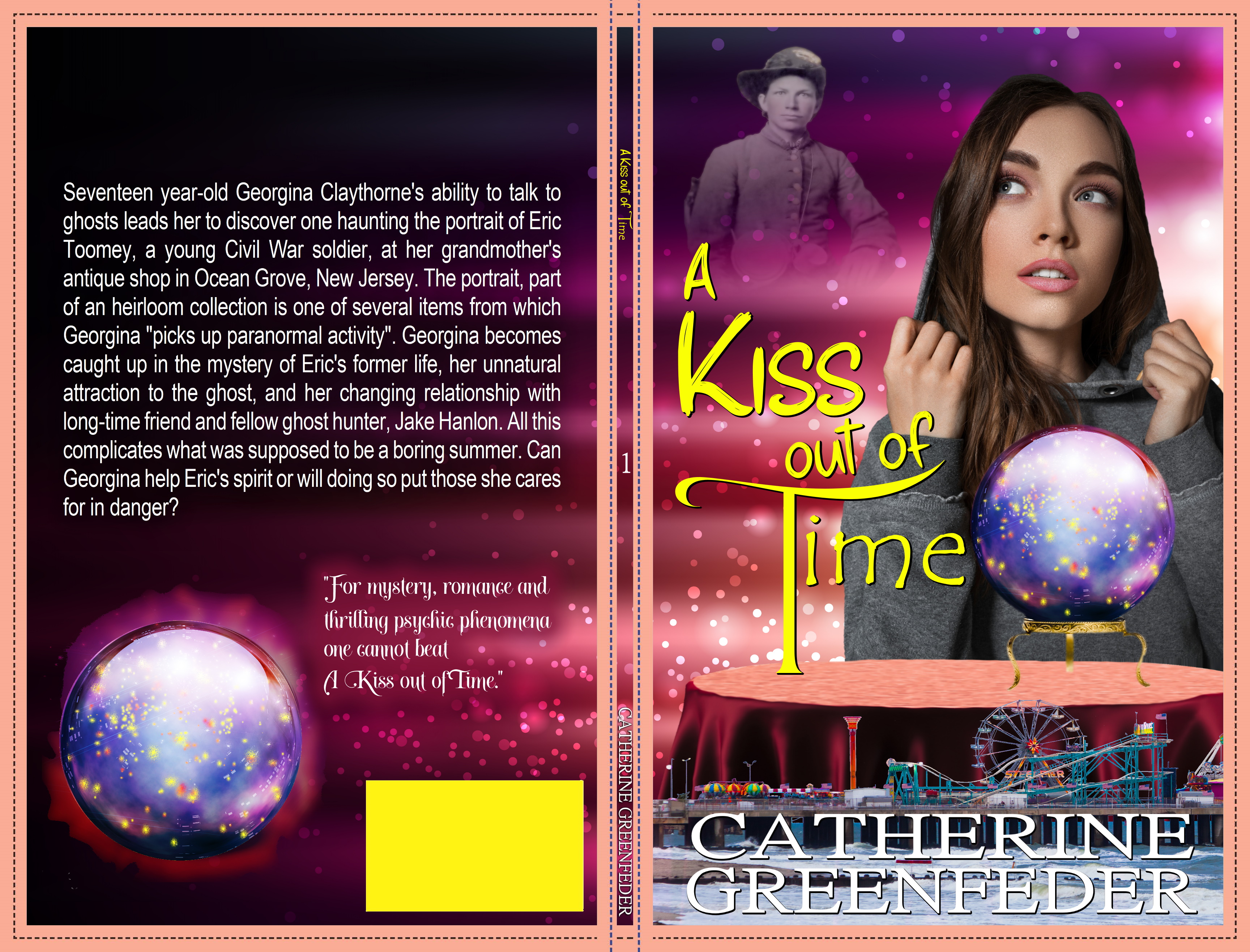 The homeowner called the police and evicted the tenants. I think that influenced me in writing my first young adult novel, A Kiss Out of Time, which featured a teenage ghost hunter in Ocean Grove, New Jersey trying to rid her grandmother’s shop of the ghost from the Civil War era.
I have also sensed things before they happen, call it a form of precognition. A friend of mine told me that we are all psychic, but some of us are more developed than others. We either rationalize or choose to disbelieve ourselves and doubt our experiences.
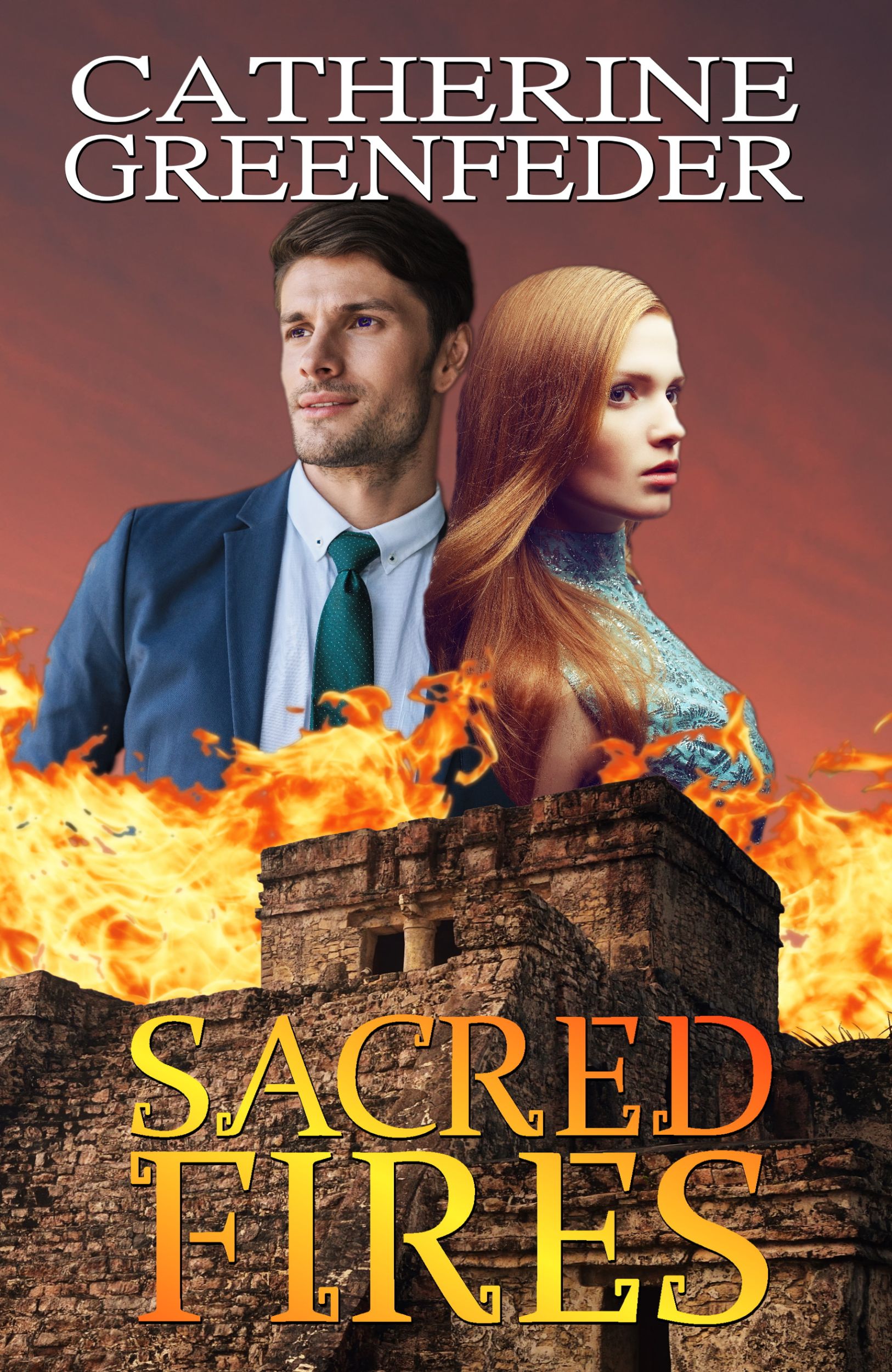
Several times in the past I have experienced that sense of dejavu. It happened on a tour of the Aztec ruins in Mexico where walking around the Pyramid of the Sun, I felt like I had been there before and later had a nightmare vision of a human sacrifice. That eventually worked into Sacred Fires, my novel dealing with reincarnation and set at the same location.
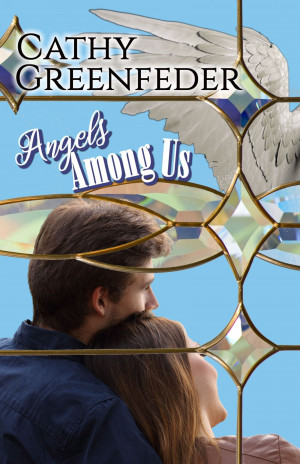
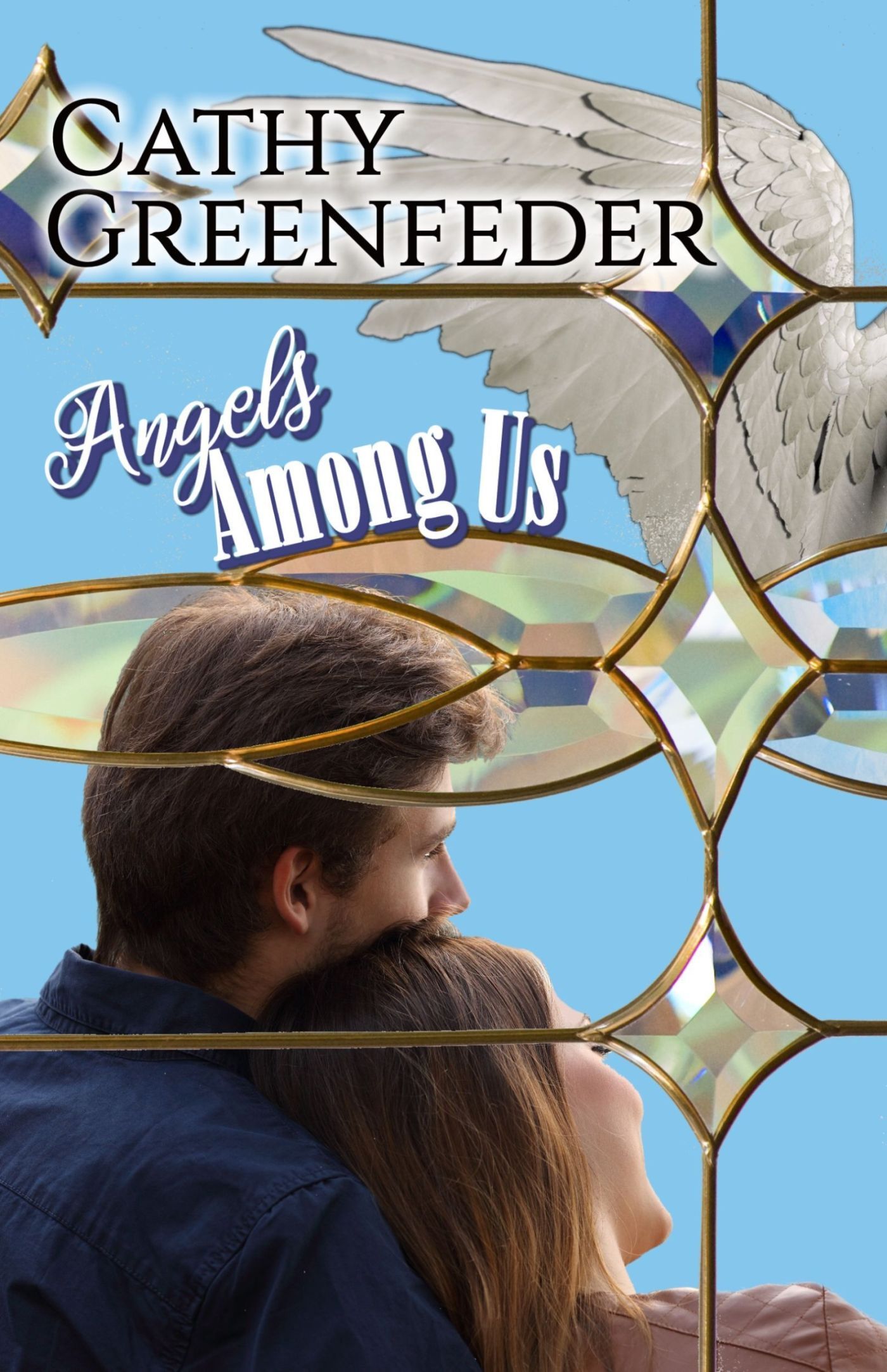
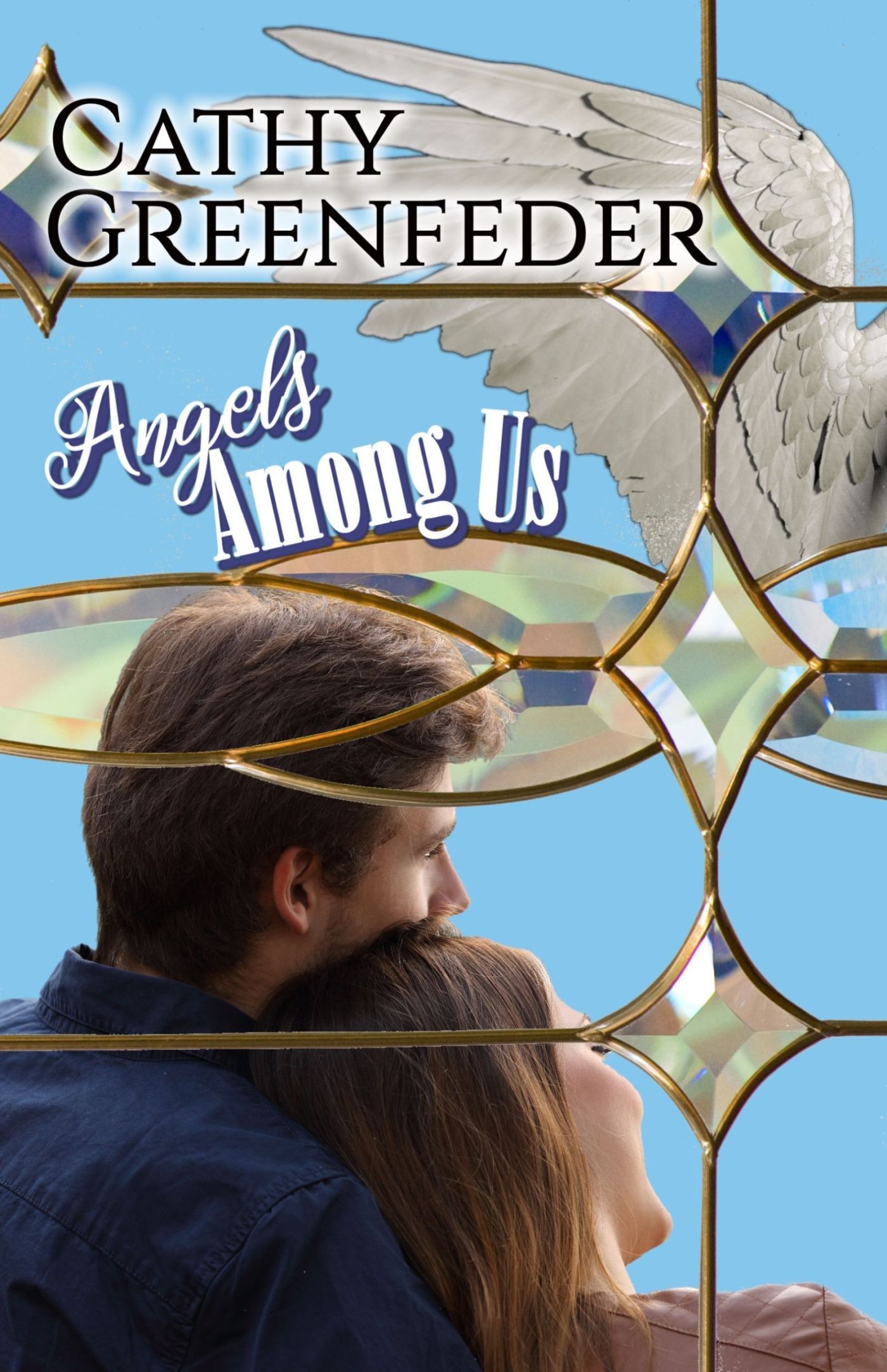
I believe in angels, and I often call on my guardian angels and the archangels for protection for myself and loved ones. One time I had been driving in the middle lane of a highway on the way home, feeling tired after a long day and about to change lanes to get to my exit when I heard a voice whisper, “Wait!” I did so, and thank God, because at that very moment a car rushed by me doing around 80 mph. I could have been creamed! I do believe in intuition. I’ve learned to listen closely when that internal warning happens because I had problems when I didn’t do so. Angels Among Us, my very first published paranormal novel, derived from my belief in angels, particularly guardian angels.
I continue to write stories based on either my own experiences or ones that I’ve heard about, and with my continued interest and studies of the paranormal or supernatural, I am inclined to write based on those ideas. At the moment, I completed a third young adult novel involving a teenage witch beset by bullies in her high school. I think it will be a compelling read when it is published. I am also penning a romantasy tale featuring star-crossed lovers from totally different realms – a witch and the werewolf she hopes to cure.
To learn more about the Celtic roots of what became known as Halloween, I recommend a reading from Newgrange.com.
In the meantime, I wish you a spooktacular Samhain or Halloween.