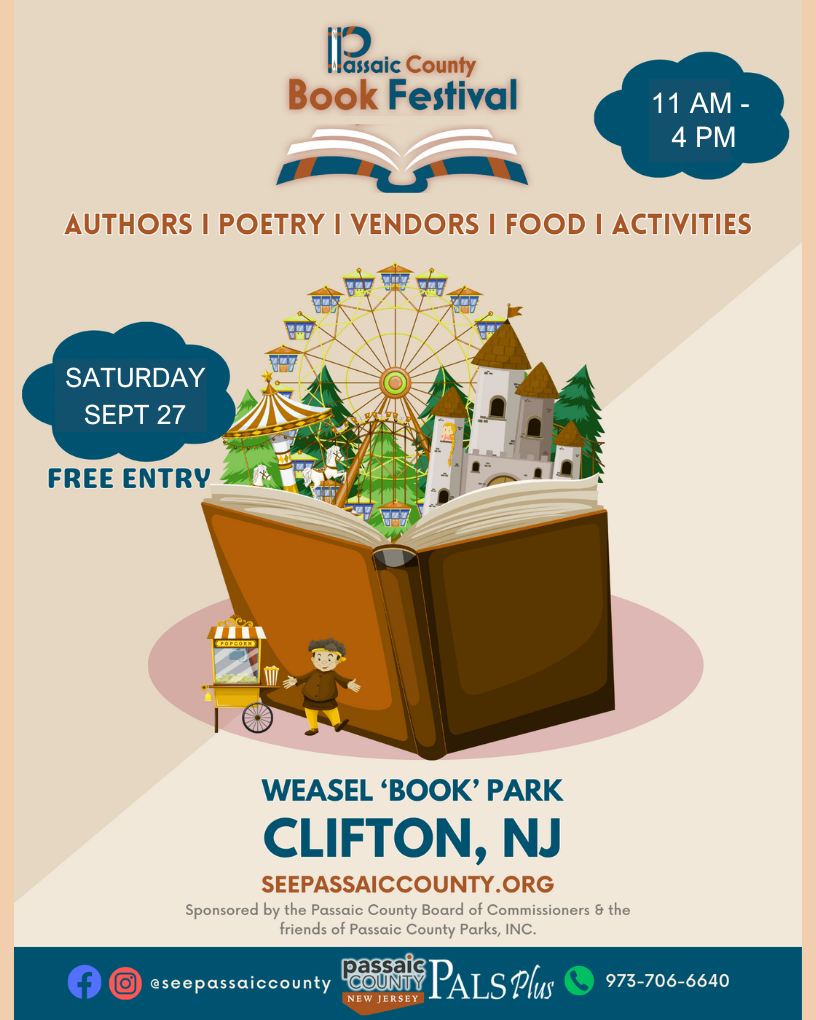
 In the last few years, I have been invited to participate at book fairs and festivals. I find them fun, and it’s great to meet with other authors and talk to readers. One of those events is the Passaic County Book Festival. I didn’t get to it this year due to traveling, but here’s a bit of what I spoke about the last time as part of a panel of authors on YA paranormal fantasy books.
What got you interested in the paranormal; what has maintained this interest?
I’ve been interested for a long time, gone on ghost tours, have friends who are psychics, and had paranormal experiences.
I read a lot, belong to the Metaphysical Society of New Jersey, and talk to others who have experiences of the paranormal.
Which paranormal tropes do you avoid; which do you embrace?
I avoid wicked witches, zombies, demons, vampires, elementals, zombies, and Bigfoot.
I embrace psychics, angels, ghosts, witches, and werewolves.
Paranormal fantasy leans on atmosphere and world building, while YA fiction often emphasizes self-discovery and relationships. How do you bring these together in your writing?
My two published YA books are about a teenage ghost buster, and my current story is about a teen witch. They are living in the ordinary world but dealing with things beyond the ordinary and trying to understand and accept themselves as most teens do. They face problems like fitting in, bullying, parental pressures, and choices about what to do the rest of their lives.
What has been one of your biggest writing challenges and how did you conquer it?
Time management and procrastination. I conquer it through being in critique groups which meet twice a month, and I want their feedback so I need to have written something.
Rejection is par for the course, and it’s not easy. But I try not to take it personally, to learn from it, and to remember what one person might not like, someone else might.
Do paranormal or supernatural elements give you more freedom to explore real-life issues in your work than you might have in another genre?
Yes, some of the real-life issues that I explore in my paranormal or supernatural elements are the existence beyond death, soul mates, non-traditional healing, dejavu, and fate.
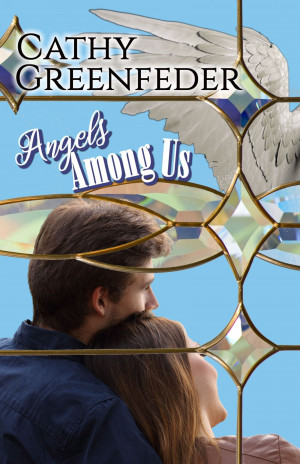
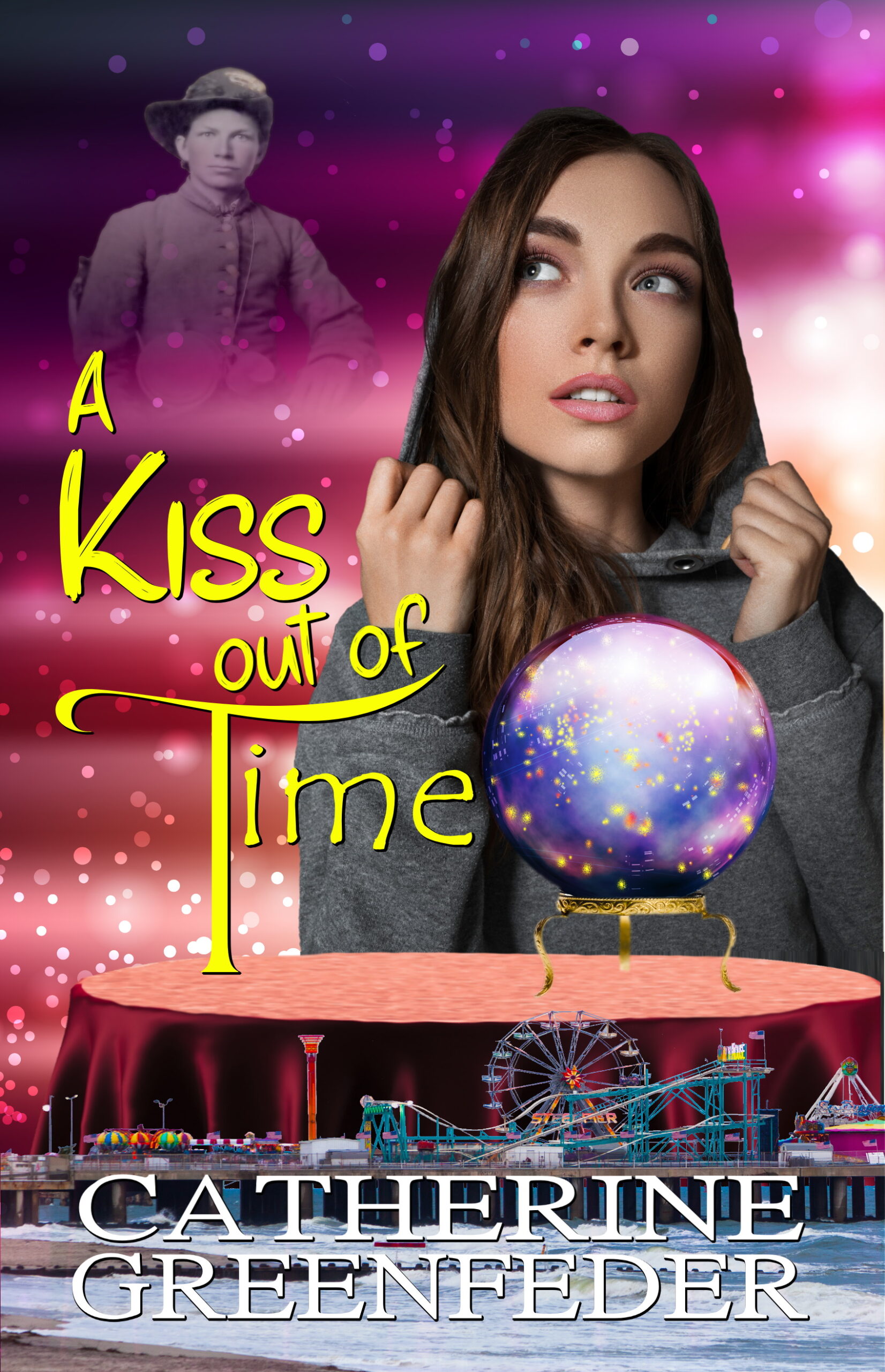
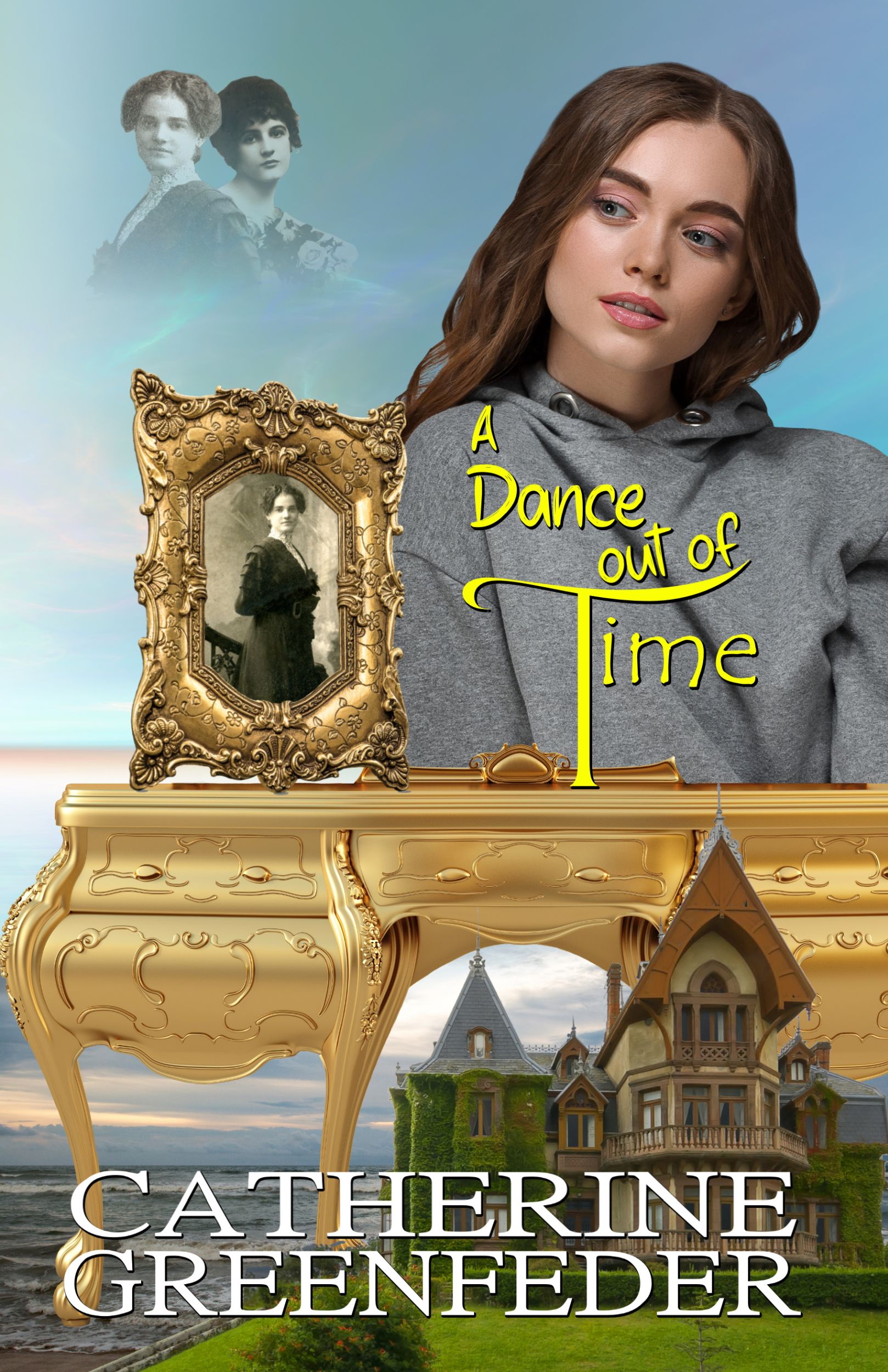
Tell us about the cover art process.
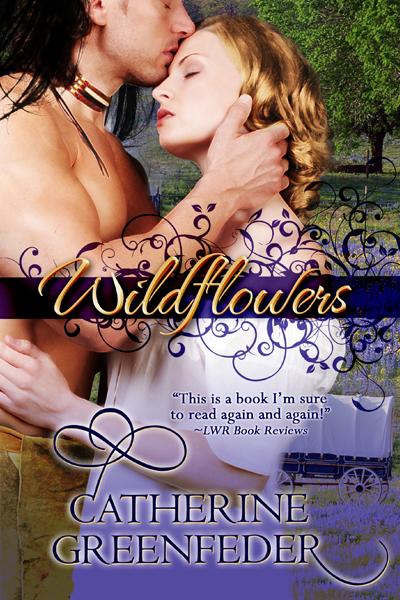
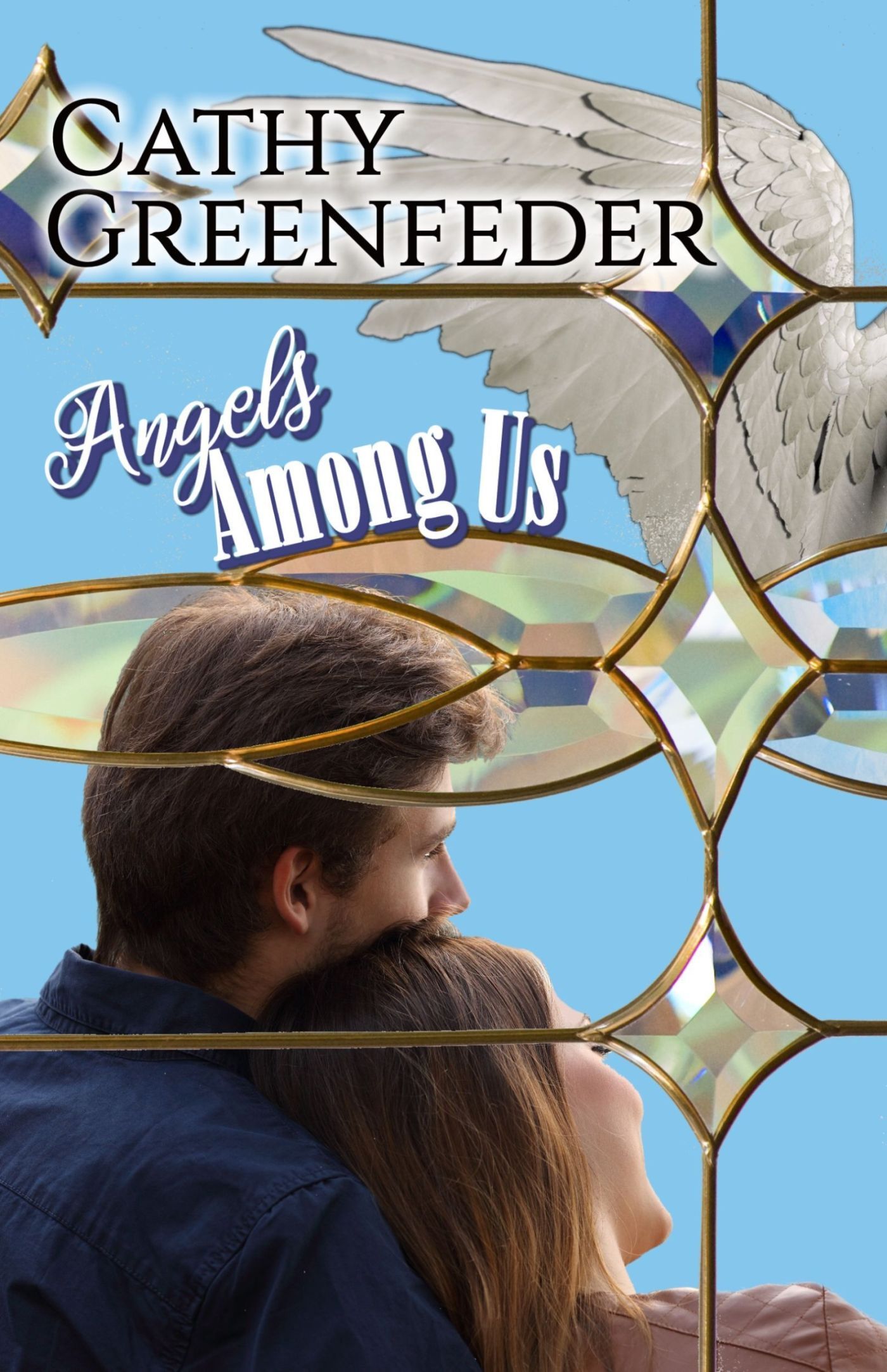
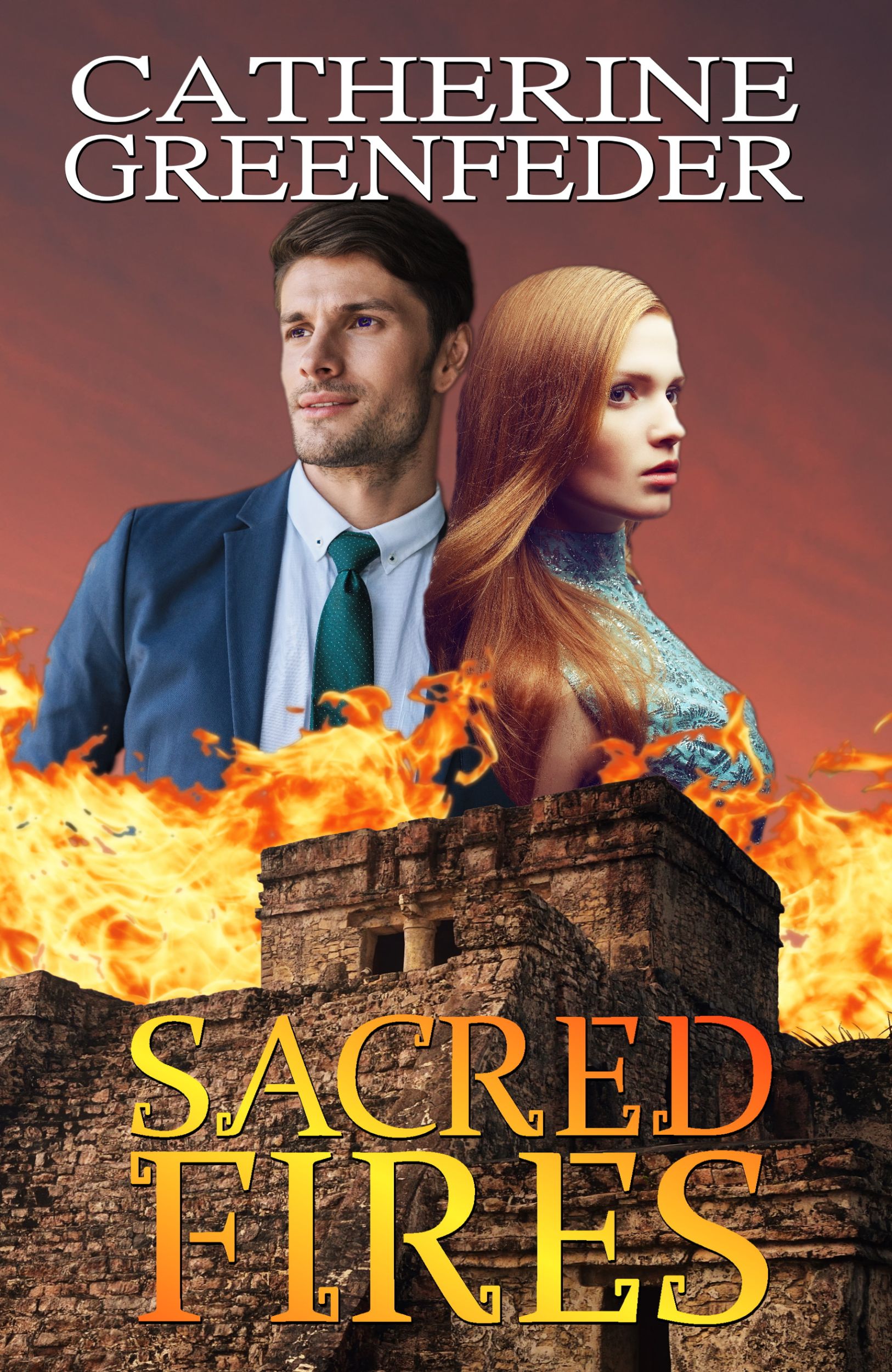
I’ve bought stock photos that I can use for my covers, and I hired an agency to help me with the formatting and publication.
What would your YA-self have to say about your books?
I was a shy teenager, so I would probably cheer on my female protagonists for their heroism and for speaking up for themselves. Also, I’d be glad that I included a diverse group of teens since I had a diverse group of friends when I was a teen.
How do you differentiate writing for different age groups?
When writing for teens, I have to consider their interests, their manner of speaking, and situations common to teens, such as high school, dating, peer pressure, and parents. When writing for adults, it’s totally different. There’s more concern about jobs and commitments to a relationship, like marriage. Teens do meet and fall in love in my stories, but there’s not that sense of marriage and family.
Why do you think fantasy and romance are so often paired together in books?
I think it has to do with the genre going back to classic stories like Cinderella, Beauty and the Beast, Dracula, mythology, folklore, and legends where romance comes into play. The romantic interest is someone who is different from the norm, but that’s part of the attraction. It makes things exciting!
How do you generate ideas for your books / where do you find your inspiration?
I read a lot and research. I draw from my own or other people’s experiences. I was a middle school teacher so I became familiar with young teens. As a mother of a son who enjoyed fantasy books and movies, I became acquainted with the stories.
What resources and information do you utilize when you’re working on your books?
I have a home library that includes books on the paranormal, mythology, and I belong to the Metaphysical Society of New Jersey which is currently offering courses on Parapsychology. So, I’m constantly learning.
What advice do you have for aspiring authors?
Read – read a broad spectrum of books, not just what you want to write, become familiar with your subject matter, be persistent.
Join a writing group or take workshops.
Don’t get discouraged. Be patient.
Are your books available at stores/sites other than Amazon?
Yes, I have print and ebooks on Amazon; ebooks on Barnes & Noble;
E-books on Smashwords; ebooks and audio books on Google Play.