Catherine

Total 66 Posts Website
I am a published novelist and a language arts teacher. I write paranormal romance, young adult and historical fiction.

Time to Dance

I love to dance! Yes, I do. I dance at home to show tunes, Irish folk music, the Oldies, and then some.

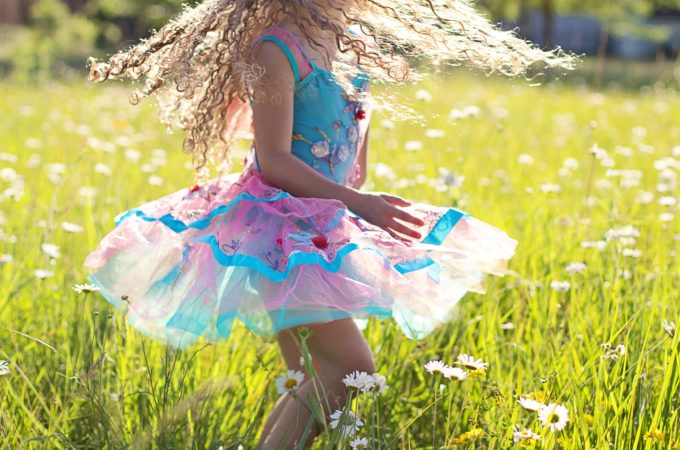
Maybe it’s in my blood. Being of mixed descent including Irish, Spanish, and Italian ancestry. In one of the older home movies my grandparents took, I am a child dressed as an Indian princess dancing on a rooftop in New York City. Back in the day, rooftops became the place to socialize, take pictures, and take the sun. The name “tar beach” referred to sitting on the roof and sunning oneself. I have vague memories of that.

Having grown up in the time of the Sixties and Seventies, I enjoyed such dances as the Twist, the Monkey, the Hustle, line dancing, and other types of dances. More recently I took up Swing and ballroom dancing thanks to classes I took in Nutley, New Jersey.  I also enjoy ethnic dancing at weddings provided there’s a DJ or someone who teaches beforehand.

Dancing is freeing, helps let off stress, and good exercise. I prefer dancing when other people are on the dance floor, since I’m a little shy about it.

What does dancing have to do with being a writer? I’m not exactly sure, but I think it involves moving, music, and listening to oneself. As a writer, I have to move, listen to the music of the words I use, and listen to my inner voice as I compose a story, a poem, or something else. It’s also great fun to move to music, and it’s great fun to create with words. I even used dancing in my writing. Most recently it appears as the title, A Time to Dance, and some of the most romantic moments in my stories.

So, whenever and wherever you can, take time to dance. Enjoy!


To Write, Observe


Pay attention to your surroundings. It’s not always easy these days especially with the distractions of mobile phones, computers, and other electronic devices. As a writer, I often need to find those quiet moments and special places for writing, such as a library, a park, or my home office, but sometimes I need to write on the fly wherever I can. That’s why I began to bring along a small journal or notepad for jotting down ideas. It also helps to be aware of your surroundings because they can inspire ideas too.

Recently while enjoying a morning walk in a park in my hometown of Nutley, New Jersey, I forgot to notice those wonderful sounds like birds singing, the gurgle of the brooks, and the topple of the water over the falls in Kingsland Park. Shaking me out of my daydream was the sounds in a nearby treetop. I thought either squirrels on a mad chase or a raccoon shimmering down the trunk caused the sound, but to my astonishment a few feet ahead of me came a loud crash and a huge branch fell. My heart raced at the sight and the realization that I could have been struck by the branch. A fellow traveler in the wooded area noticed this too, and we both thanked the heavens that we’d been spared. It also woke me up to the necessity to pay more attention to my surrounding. Indeed it could be a matter of life or death!

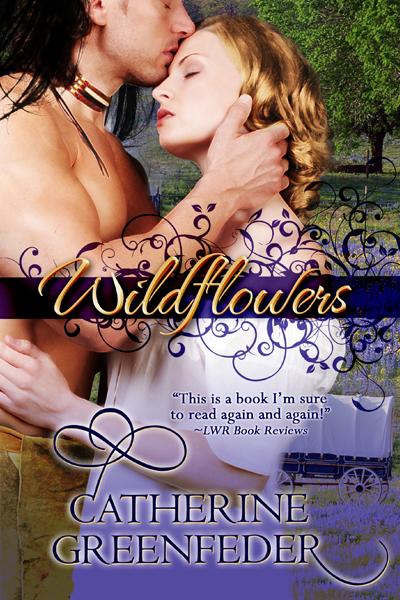
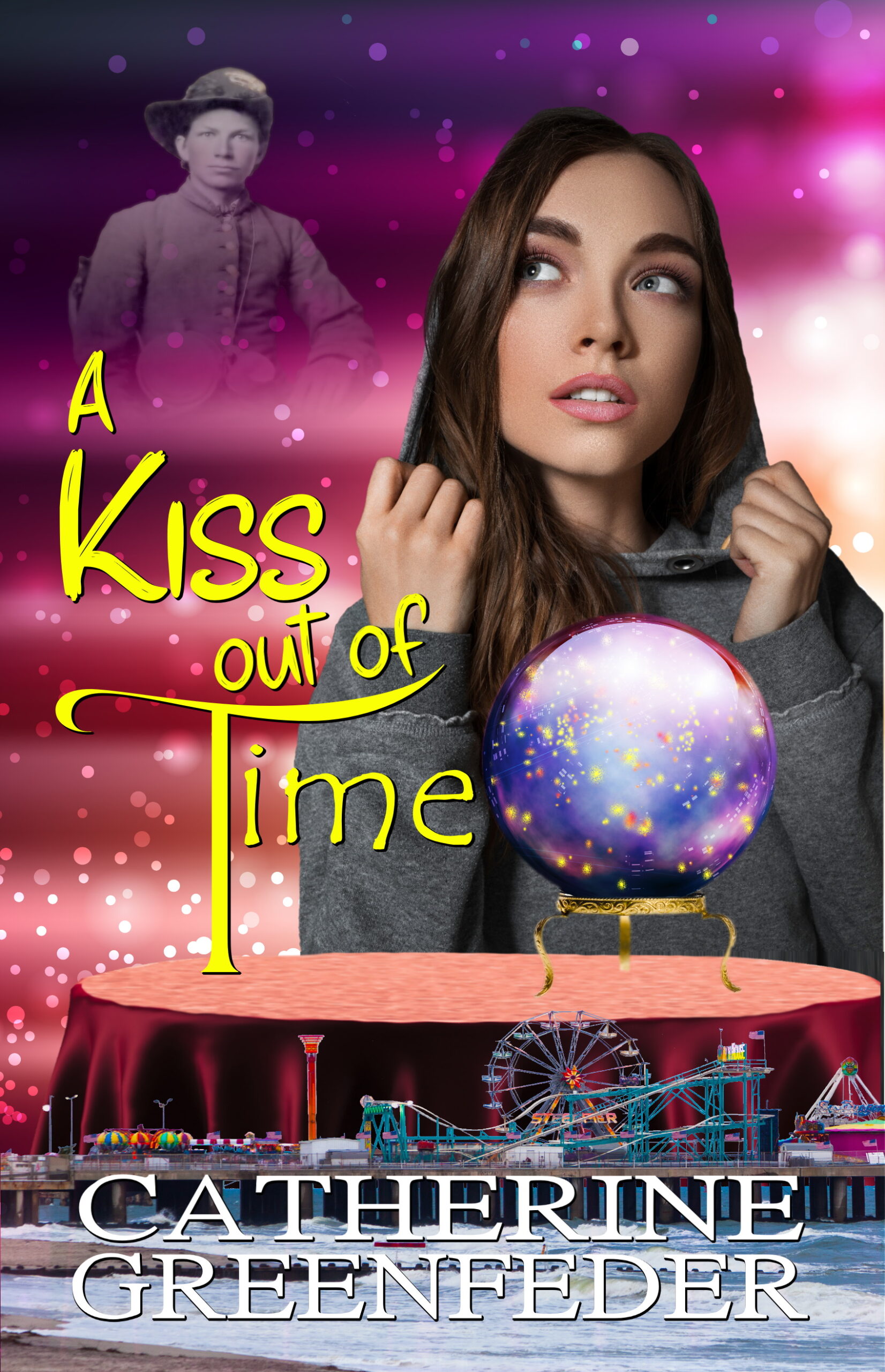
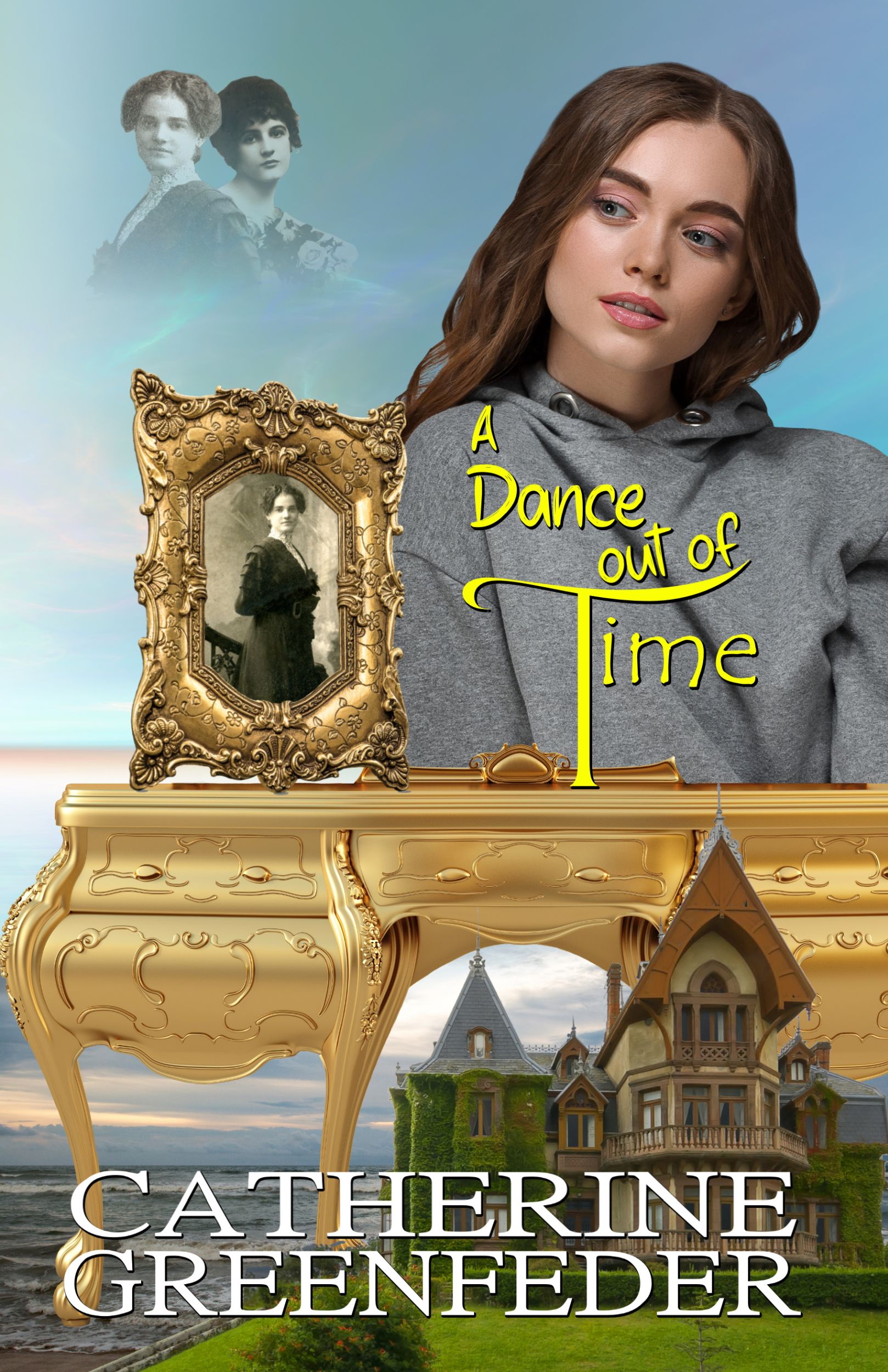
The sights, the sounds, and the feelings of my surroundings have inspired me in my writing of settings for my books. Ocean Grove and Asbury Park, New Jersey are the settings for my two young adult books, A Dance Out of Time and A Kiss Out of Time. Although I haven’t been on the pioneer trail to Oregon, the setting for my western historical romance, Wildflowers, I have visited several western and mid-western states including Oklahoma, Texas, Kansas, Missouri, Arkansas, New Mexico, Arizona, and California. Taking photographs, enjoying visits to local museums and art galleries, and writing in journals has helped me to capture my ideas about those surroundings.

I heard long ago that to be a writer means to be an observer. I believe that it’s true. It can also save your life!


To Plot or Not To Plot

To plot or not to plot? That is the question when I start a new story. Most times, I write a fast rough draft after I have a sketch of an outline.

When I wrote during National Novel Writing Month in November, or NaNoWriMo, I wrote as quickly and frequently as possible without revision because the goal is to write 50,000 words in the month. So, it’s more important to get the story down and save revision for later on.

I completed two novels, A Kiss Out of Time and A Dance Out of Time, both YA paranormal books by that method.They needed editing, and I went through them several times before they became publishable, but I enjoyed the free flow of ideas and quick writing it took to meet the NaNoWriMo deadlines.

However, my first romance novel, Wildflowers, a western historical set along the Oregon Trail, took several years and versions to complete before publication. I wrote the draft in a small notebook while commuting to my job as a copy writer in New York City. I did tons of research which I kept in a notebook, used index cards to write notes on characters, and created a timeline for events along the route the characters followed to get from Missouri to Oregon.  I typed the novel on my first personal computer, and it went through many revisions with critique partners before becoming published.

I’ve met writers who don’t start writing a draft until they’ve done extensive research and meticulous outlines.  I’ve also met writers who I identify with as “pantsers” and write the entire draft and then follow-up with research and revision.

I find myself doing a combination of the two with using  some kind of an outline or notebook  for ideas, a brief synopsis, and then writing as much as I can. I do research as needed.  I also keep a photo collection containing photos from magazines, postcards, and street maps to help visualize the story.  I enjoy using Pinterest and created a few boards to visualize settings, characters, food, and even music which might set the mood for a story.

To plot or not to plot? I think the answer is you need to plot, but you can approach it several ways from a few lines on a Post-It note to several detailed pages. Whatever works and gets you to write the story can determine the approach to plotting.